

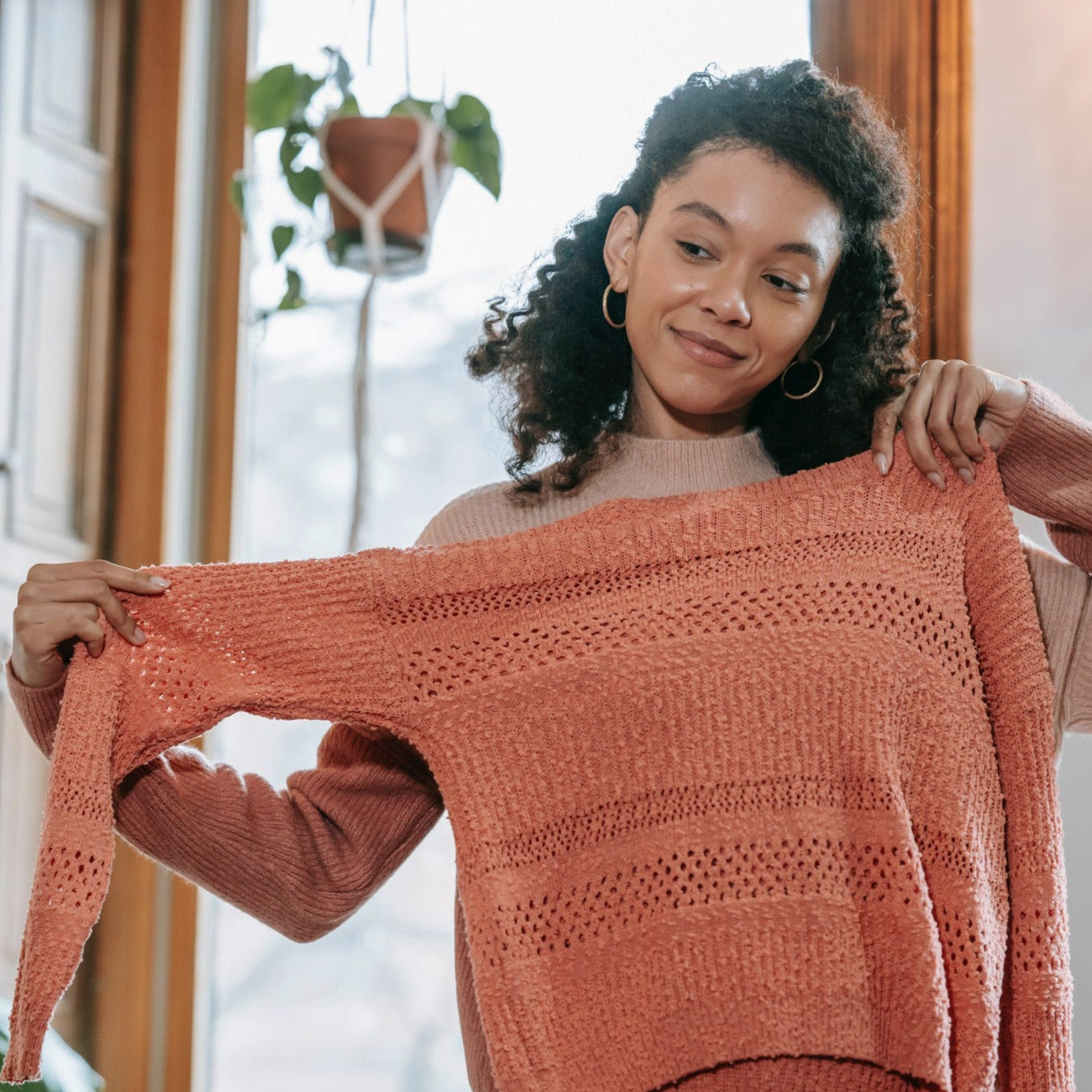


Imagine opening your phone and finding an outfit curated just for you perfect for tonight's event, matching your style, size, and even your values. This isn't a fantasy; it's the power of today's fashion apps, where artificial intelligence (AI) and big data converge to redefine personal styling. These platforms, blending algorithms with immersive technologies like virtual try-ons, are democratizing fashion, making high-end curation accessible to all. As the fashion industry evolves, apps are not just tools but tastemakers, guiding consumers through a digital marketplace with precision and flair.
The global fashion technology market, valued at $239.6 billion in 2024, is set to reach $345.4 billion by 2030, growing at a 6.3% annual rate, according to Grand View Research. Mobile apps are driving this surge, with the mobile application market projected to hit $626.4 billion by 2030, expanding at 14.3% annually. These apps do more than streamline shopping; they forge connections, aligning personal taste with the vast offerings of e-commerce.
AI: The Engine of Style Curation
AI is the backbone of this transformation, turning raw data into tailored style suggestions. Machine learning algorithms analyze purchase histories, browsing patterns, and social media interactions to predict what users will love. A 2020 study explored how AI addresses the cold-start problem in outfit recommendations, using visual preference modeling to curate looks for new users based on minimal input, like a few images. This ensures even first-time users receive personalized suggestions that feel intuitive.
Consider Stitch Fix, a pioneer in blending AI with human expertise. Its algorithms sift through thousands of clothing items, factoring in budget, size, and style, while human stylists refine the selections for a personal touch. This hybrid approach resonates, proving technology can enhance, not replace, human intuition. Similarly, The Yes app employs machine learning to adapt recommendations in real time. Users swipe yes or no on items, and the app hones its suggestions, considering price, fit, and brand preferences. It's engaging, almost gamified, and delivers a curated experience that feels uniquely personal.
Immersive Experiences: Virtual Try-Ons and Social Media
Beyond algorithms, apps are embracing augmented reality (AR) to create immersive shopping experiences. The virtual try-on market, valued at $9.2 billion in 2023, is projected to soar to $46.4 billion by 2030, growing at 26.4% annually. AR enables users to try dresses, glasses, or accessories via their phone's camera, bridging the gap between online and in-store shopping. This technology tackles a key e-commerce challenge: the inability to try before buying.
Social media integration further enhances relevance. Apps like Trunk Club, a Nordstrom venture, draw inspiration from the influencers and trends users engage with on platforms like Instagram. By analyzing these interactions, apps deliver recommendations that mirror current tastes, creating a dynamic feedback loop. This fusion of social media and commerce ensures suggestions stay fresh and aligned with evolving preferences.
Sustainability: Style with Purpose
Fashion apps are also championing sustainability, responding to growing consumer demand for ethical choices. Many prioritize eco-friendly brands or second-hand options, helping users shop responsibly. Platforms like Fashable take it further, analyzing body shape and occasion needs to suggest outfits that maximize existing wardrobes, curbing overconsumption. This blend of personalization and purpose empowers users to align their style with their values seamlessly.
Challenges: Building Trust and Protecting Privacy
Despite their promise, fashion apps face hurdles. Trust is paramount AI must deliver accurate recommendations to win users over. A mismatched suggestion, like a bold print for a minimalist, can erode confidence. Companies are addressing this through continuous learning, refining algorithms with user feedback. The recommendation engine market, worth $3.9 billion in 2023 and expected to grow at 36.3% through 2030, is focused on enhancing precision to maintain user trust.
Data privacy is another critical concern. These apps rely on sensitive information measurements, preferences, and social media activity. Transparency is non-negotiable; leading platforms clearly outline how data is used and protected. Yet, in an era of frequent data breaches, maintaining user confidence remains a challenge.
Technical limitations also persist. Virtual fitting rooms, while innovative, can falter with distorted images or inaccurate color rendering. The virtual fitting room market, projected to grow from $8.2 billion in 2025 to $20.3 billion by 2030 at 19.8% annually, must overcome these inconsistencies to achieve mainstream adoption.
Opportunities: Engagement, Revenue, and Scale
When executed well, fashion apps yield significant benefits. Personalized recommendations foster engagement, transforming casual users into loyal customers. This connection drives retention and repeat purchases, as users feel understood. Cross-selling suggesting complementary items like accessories further boosts revenue, capitalizing on tailored insights.
Smaller brands also benefit, gaining visibility through targeted recommendations. These apps level the playing field, allowing niche labels to compete with industry giants, enriching the fashion ecosystem. Most notably, apps enable scalability. Unlike traditional styling, which is resource-intensive, apps deliver personalized advice to millions at low cost, making expert curation accessible to a broader audience.
The Future: Hyper-Customization and Integration
The future of fashion apps is bright, with hyper-customization on the horizon. Envision an app that syncs with your smart home, suggesting outfits based on weather, schedule, or fitness goals tracked by wearables. Such integrations could redefine convenience, embedding style curation into daily life. As AI evolves, these possibilities grow closer, promising a seamless blend of technology and personal expression.
For stylists, the call is to embrace these tools. Far from replacing expertise, apps amplify it, allowing professionals to focus on creativity and client relationships. Developers, meanwhile, must prioritize trust, building platforms that are accurate, transparent, and user-friendly to sustain growth.
At the core of this revolution is individuality. Companies like LookingGlass Lifestyle, a fashion consulting leader, are poised to leverage these trends, merging cutting-edge tech with their deep expertise. As fashion apps advance, they're not merely changing how we shop they're empowering us to define who we are, one curated outfit at a time. With technology as the catalyst, the fashion industry is crafting a future where style is personal, sustainable, and universally accessible.
You may also be interested in: Travel Fashion Made Easy: Dress Like a Local with AI Stylists
Tired of staring at a closet full of clothes and feeling like you have nothing to wear? Our team of expert personal stylists, hand-picked for their diverse style sensibilities, understands the unique challenges real women face. We work magic with clothes you already own, or if needed, hand-pick pieces from our curated collection to build a wardrobe that's as individual as you are.
Book a Personalized Styling Session and watch your confidence soar as you discover your style that flatter your figure and make you feel amazing.
Powered by flareAI